Agro-tourism is travel built around agriculture. It lets visitors spend time on or near a farm. They see how rural life works. They also take part in simple farm experiences. KSR Global Aquarium describes it as a place where agriculture and rural charm meet.
In practical terms, agro farm tourism is a visit to a working farm or farm-style attraction. The experience can be educational, relaxing, or both. It often includes fresh food, nature, and direct contact with farmers. KSR’s own content also describes it as a way to reconnect with farming and the countryside.
Maharashtra’s policy gives this idea a formal shape. The state says agriculture must remain the main occupation. Tourism should stay supplementary. The centre should be in a village, with at least one acre of agricultural land.
That matters for visitors too. It means agro-tourism is not a random rural stay. It is a structured experience built around farming, local hospitality, and rural learning.
What activities does agro-tourism typically include?
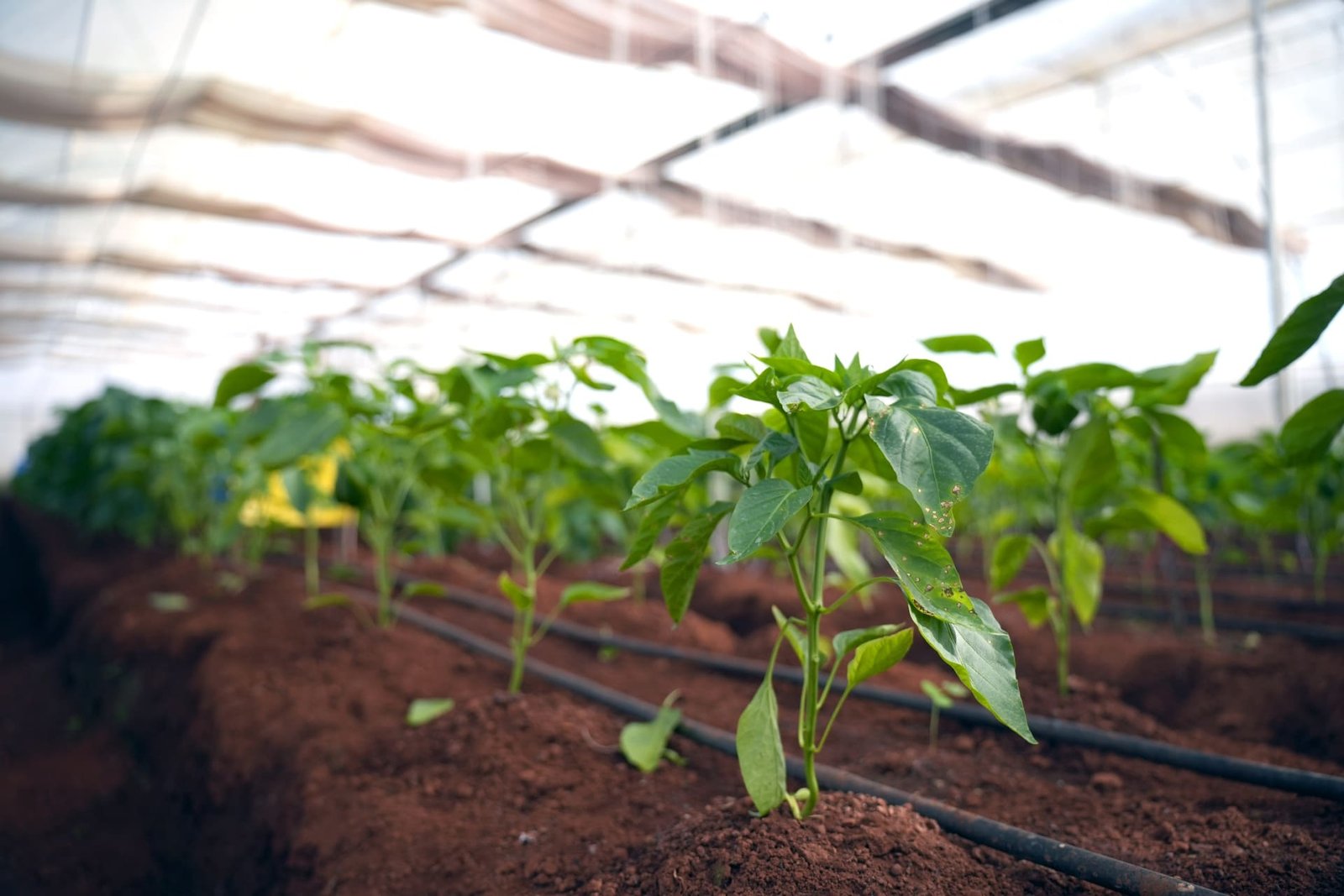
Agro-tourism usually combines farm work, food, learning, and culture. KSR Global Aquarium lists planting, harvesting, tending animals, farm-to-table dining, cultural demonstrations, folk performances, and rural stays among its experiences. Maharashtra’s policy also suggests rural games, bullock carts, horse carts, and seasonal farm activities.
| Activity type | What visitors do | Why it matters |
| Farm work | Plant, pick, harvest, or help with crops | Makes the visit hands-on and educational. |
| Animal interaction | Feed or tend to animals | Gives families a simple rural experience. |
| Food experiences | Eat fresh, local, farm-to-table meals | Connects the visit to seasonal produce. |
| Culture | Watch folk performances or local demos | Adds local identity and storytelling. |
| Leisure stay | Use cottages, camps, or village-style lodging | Turns a day trip into a longer break. |
| Learning | Join tours, workshops, and school visits | Makes agro-tourism useful for children and groups. |
Some destinations add softer, more playful experiences too. KSR’s family content mentions fruit-picking, guided farm tours, organic agriculture demos, and cooking lessons with freshly picked produce. That is a strong fit for families, school groups, and corporate outings.
A good agro-tourism visit feels active, but not exhausting. Guests should leave with fresh air, simple learning, and a better understanding of where food comes from.
Why is agro-tourism growing in Maharashtra?
Maharashtra is one of India’s strongest tourism states. The state tourism department highlights major destinations such as Mahabaleshwar and Lonavala, while also promoting eco-tourism and sustainable adventure travel. It also says Maharashtra was the first state in India to implement an agro-tourism policy.
That policy gives farmers a practical route into tourism. The government says agro-tourism can create alternative income and employment in rural areas. It also notes that smaller projects within five acres may not need a non-agricultural certificate. That lowers friction for rural hosts.
Demand is also on the visitor side. India recorded 2,509 million domestic tourist visits in 2023, according to the Ministry of Tourism’s Year End Review 2024. That scale shows how strongly Indians are travelling inside the country. Rural and nature-based experiences can easily ride that wave.
There is also a clear lifestyle shift. KSR’s recent content says many travellers now prefer authentic, nature-based, and sustainable experiences over crowded tourist spots. That is exactly where agro-tourism fits well.
For people searching for agro tourism in Maharashtra, this is the key appeal. You get quiet surroundings, local food, family-friendly activity, and a reason to slow down. You also support rural income at the same time.
What benefits does agro farm tourism offer?
Agro farm tourism works because it serves both sides. Visitors get a meaningful outing. Farmers get additional income. KSR’s content makes that point clearly, and Maharashtra’s policy was built around the same idea.
Here are the main benefits:
- It feels peaceful and less crowded.
- It teaches children where food comes from.
- It supports local farmers and village jobs.
- It encourages farm-to-table eating.
- It works well for school trips and family breaks.
A simple comparison makes the difference clearer.
| Feature | Agro-tourism | Normal resort stay |
| Core idea | Farming and rural life | Rest and leisure |
| Learning value | High | Usually low |
| Food experience | Fresh, local, seasonal | Menu-based |
| Family engagement | Hands-on | Mostly passive |
| Rural support | Direct | Indirect |
| Best for | Families, students, groups | Relaxation-focused travellers |
Agro-tourism is a stronger choice when you want more than a bed and a meal. It gives you an experience you can remember. It also gives your travel budget more meaning.
How does KSR Global Aquarium make agro-tourism more engaging?
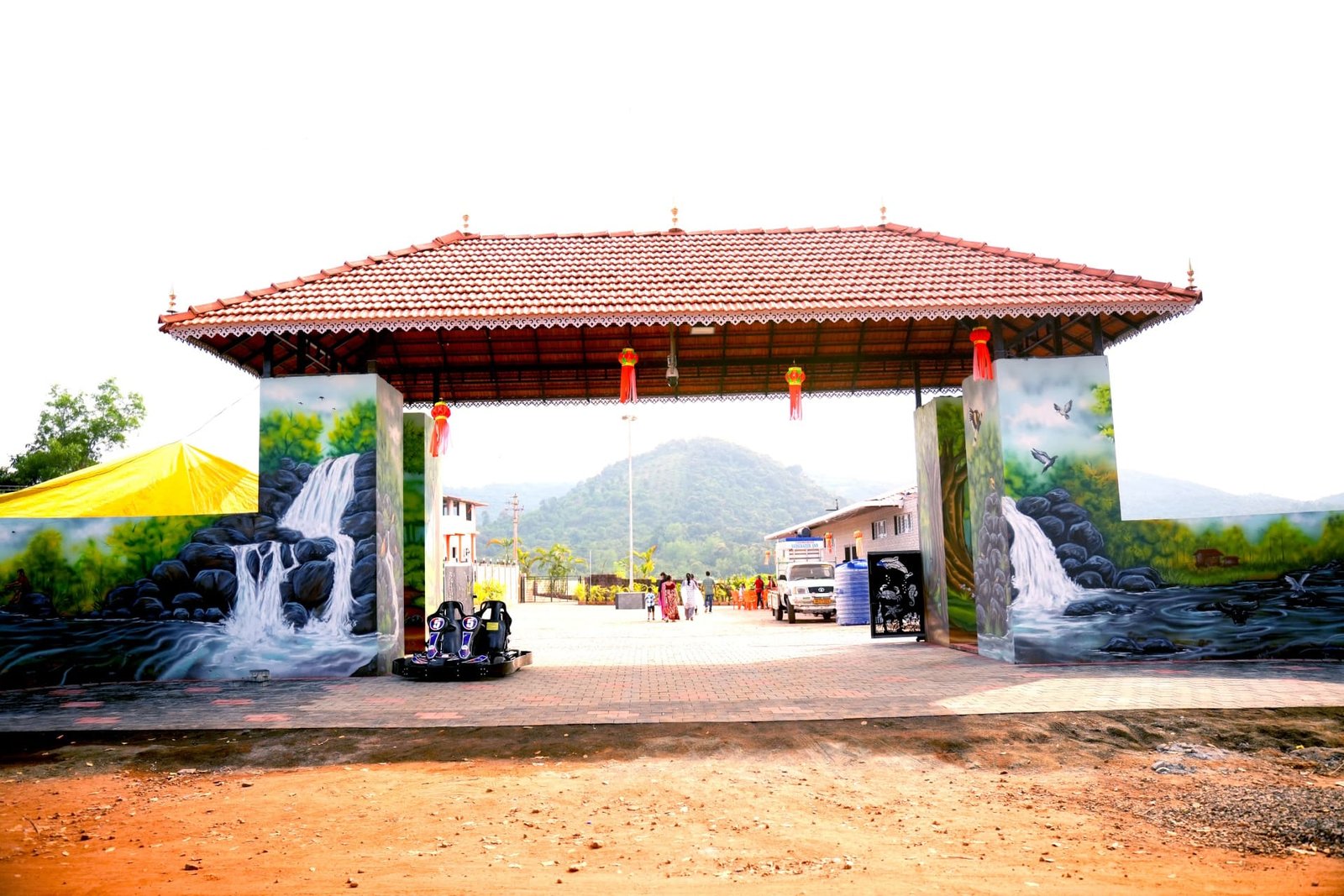
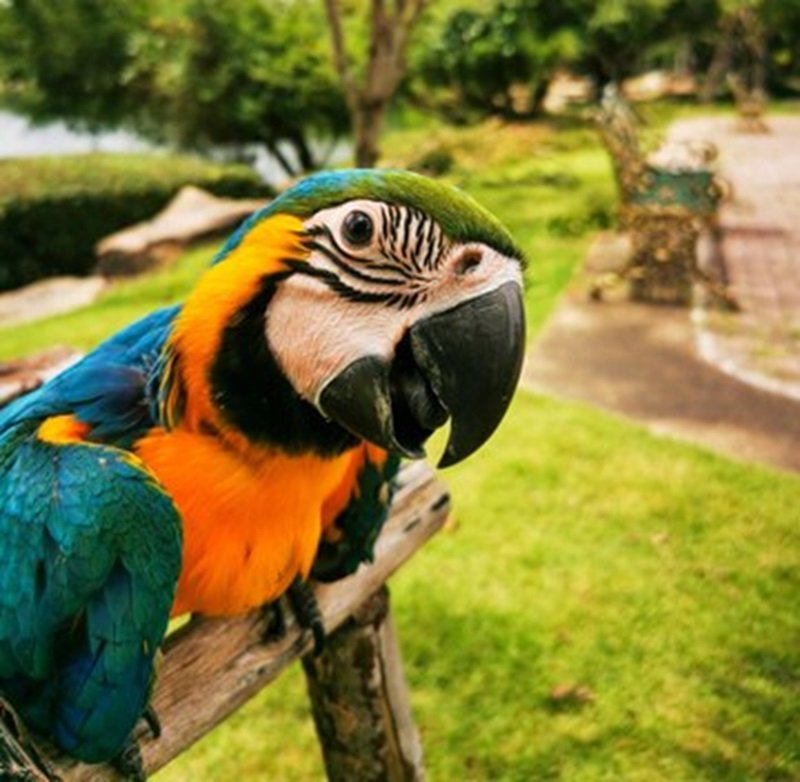
KSR Global Aquarium positions agro-tourism as part of a wider experience. Its site connects KSR Agro Tourism with rural charm, farming, local food, and educational activities. It also places agro-tourism alongside bird park, fish feeding, river cross walk, and other family attractions.
The agro-tourism page says visitors can join planting, harvesting, and animal care. It also mentions farm-to-table dining, local cultural demonstrations, cottages, camping, guided tours, and workshops. That makes the visit feel active and varied.
The family vacation page adds even more detail. It mentions fruit-picking, guided farm visits, organic agriculture demos, and culinary lessons using freshly picked produce. It also frames the experience as suitable for children and adults alike.
That is a smart model for families searching for agro farm tourism in Maharashtra. They get nature, food, culture, and light adventure in one place. They do not need to build the da
y from scratch. KSR already offers the mix.
For travellers planning a wider Maharashtra trip, this matters. Maharashtra tourism already promotes a broad mix of hill stations, pilgrimage sites, eco-tourism, and adventure. KSR’s agro-tourism offering fits neatly into that wider destination style.
What should you check before booking agro-tourism in Maharashtra?
Before booking, check how the place defines the experience. Some venues are true working farms. Others are farm-themed leisure spaces. Maharashtra’s policy is a useful benchmark, because it sets expectations around rural location, land use, and farm-first operations.
Also check the activity list. A good centre should clearly explain what is included. Look for planting, harvesting, animal interaction, local meals, and guided learning. KSR’s own page is a useful example of how this should be presented.
Use this quick checklist before you pay:
- Confirm the location and access route.
- Check whether it is a day visit or stay package.
- Ask which activities are included.
- Check if meals, entry, or workshops cost extra.
- Ask whether children and seniors can join comfortably.
- Confirm if the place is weather-friendly in monsoon season.
If you are visiting as a school, family, or group, ask about safety too. The best agro-tourism spots should be simple, guided, and easy to follow. They should also feel clean and organised. Maharashtra’s policy specifically mentions basic amenities like drinking water, toilets, and meals.
A well-planned visit feels relaxed. A badly planned one feels like logistics. That is why the right destination matters so much.
Frequently asked questions about agro-tourism
What is agro-tourism in simple words?
Agro-tourism is travel based around farms and rural life. Visitors enjoy farming activities, local food, and village-style experiences. Maharashtra treats it as a formal tourism model with farm-first rules.
What activities are most common in agro-tourism?
Common activities include planting, harvesting, feeding animals, fruit-picking, guided tours, local food, folk culture, and rural games. Some places also add stays, workshops, and school visits.
Why is agro-tourism popular in Maharashtra?
Maharashtra was the first Indian state to implement an agro-tourism policy. It also has strong tourism demand, major hill stations, and a growing appetite for nature-based travel.
Is agro farm tourism good for children?
Yes. It is often excellent for children. They can see crops, animals, and farm routines up close. KSR’s family-oriented content also highlights guided tours and farm learning for kids.
What makes KSR Global Aquarium different?
KSR combines agro-tourism with other attractions. Visitors can pair farm activities with bird park, fish feeding, river walk experiences, and family-friendly adventure. That makes it more than a single-activity stop.
Conclusion
So, what is agro-tourism? It is a travel experience built around farming, rural life, local food, and nature. In Maharashtra, it has become more than a trend. It is now a structured tourism model backed by policy.
What does it include? Usually, it includes planting, harvesting, animal care, farm meals, village culture, guided learning, and restful stays. KSR Global Aquarium brings those pieces together in a family-friendly way. That makes it a strong example of agro farm tourism done well.
If you are exploring agro tourism in Maharashtra, KSR Global Aquarium is a practical place to start. It blends education, leisure, and rural charm in one visit. For trip planning, family outings, or group experiences, talk to the KSR Global Aquarium team and book your agro-tourism visit.