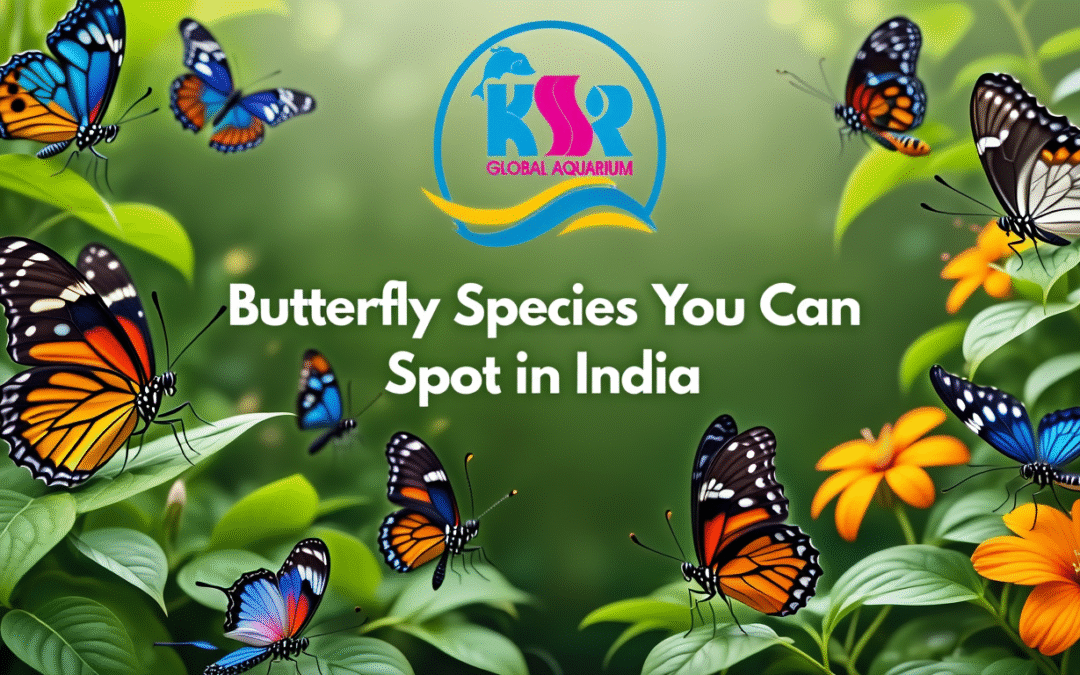
India has a large number of butterflies due to the diverse and extensive ecologies that it harbours. The landscapes of India provide ideal habitats to butterflies, regardless of whether it is in the tropical rainforests of the Western Ghats or the cold of the northern hill stations.
Besides being a natural habitat to these beautiful animals, India is also home to some of the bird park, bird sanctuary in Maharashtra, and other natural reserves where you will find these insects in their natural habitat.
This article will discuss some of the most interesting kinds of butterflies you would encounter in all of India, and also some of the best places to see them, with a special mention of the bird park in Mumbai.
Why India Is a Butterfly Paradise?
The Indian ecosystems, like the tropical forests, grasslands, and wetlands, are the perfect environment in which butterflies can be found. As per the census of Indian Butterflies, over 20% of the species of butterflies in India can be located in Maharashtra itself. This renders it one of the best states to visit when it comes to butterfly lovers.
The vast geographical diversity of India (mountains, deserts, tropical forests) makes it a perfect habitat for numerous species of butterflies. The climate in the country is very diverse and extends from the coastal areas of Kerala to the northern plains and the hilly regions of the Himalayas.
All these surroundings help in a flourishing population of butterflies. Indeed, India harbours a total of over 1,500 species of butterflies, and more are being discovered annually.
Butterfly Species You Can See in India
The biodiversity of India provides chances to observe some of the rarest and most colourful butterflies in the world. You can be a serious butterfly watcher or a nature lover, but seeing butterflies in India is rewarding.
1.The Common Mormont
The Common Mormont is one of the species that are widely known in India. The Butterfly is commonly referred to as the Indian Swallowtail, which is located in the tropical and sub-tropical forests of the country. The Common Mormont, with its enormous wings and tail-like appendages, is a favoured species to observe in areas such as the bird sanctuary in Maharashtra. It is mainly active in the monsoon months, and it flies among the green leaves.
2. The Blue Tiger Butterfly
The Blue Tiger butterfly is another beautiful butterfly that can be seen in India. This Butterfly is lovely and can be found in different places, such as in the bird park in Mumbai; the dark blue wing of this Butterfly has white spots, thus making it a beautiful sight to see. Blue Tiger can be commonly observed in the open areas, fields, and gardens, particularly during the late monsoon season. It is a migratory butterfly, and in case you are fortunate, you will be able to observe the fantastic spectacle of masses of flying butterflies.
3.The Indian Leopard Butterfly
Another interesting species is the Indian Leopard butterfly, which is indigenous to India. This leopard-like spotted Butterfly, as it is often referred to, is seen in different places as well, such as the Maharashtra bird sanctuary. It is widely seen in the forest and gardens and is famous for its graceful flight and colourful marks. Its spotted wings, as the name implies, are the design of the coat of a leopard, hence it is a favourite among butterfly lovers and collectors.
Best Places to see Butterflies in India
There are many places that can be visited to watch butterflies in India. These are habitats of butterflies as the parks are full of flora and fauna, be it national parks and wildlife sanctuaries, or even bird park.
KSR Global Aquarium & Park – A Haven for Butterfly and Nature Lovers
Nestled amidst the greenery of Maharashtra, KSR Global Aquarium & Park is more than just an entertainment hub, it’s a living, breathing ecosystem that celebrates biodiversity. While it’s widely known for its fascinating aquarium and thrilling go-karting track, the park has also gained popularity as a butterfly-watching hotspot.
Here, visitors can walk through landscaped gardens filled with native flowering plants that naturally attract butterflies. These include species like the Common Mormon, Blue Tiger, Lemon Pansy, and Striped Tiger, which flutter freely amidst the blooms. The park has been thoughtfully designed to create an eco-friendly space that supports pollinators — making it an ideal place for both education and leisure.
Families visiting KSR often find themselves spending hours exploring, one moment observing the colourful marine life in glass tanks, the next marveling at the delicate dance of butterflies in the open gardens. It’s the perfect blend of education, nature, and recreation, suitable for both kids and adults.
Conclusion
India is the best place to watch butterflies as its landscapes have a greater biodiversity. In the Western Ghats up to the Maharashtra forests, there is a great variety of butterfly species in the wild.
It is a rewarding experience to be in touch with nature when you are Butterfly watching, either at the bird park in Mumbai or a bird sanctuary in Maharashtra. Such parks and sanctuaries are not only a place to view these beautiful animals, but they also play a very crucial role in the conservation of wildlife.
Like to see the beauty of butterflies up close?
Visit KSR Global Aquarium to know more about our bird park and nature tours.
FAQ
1.When is the ideal time to observe butterflies in India?
The ideal time to observe butterflies in India is during the monsoon season (June to September) as they are very active during this period.
2. Are there any particular butterfly species that are found only in India?
Yes, butterfly species such as the Indian Leopard are endemic to India and are more frequently found in specific regions such as Maharashtra.
3. How does butterfly watching help conserve butterflies?
Butterfly watching helps with the monitoring of ecosystem health, because butterflies are good indicators of environmental quality. Monitoring butterfly populations aids conservation efforts for diverse species and habitats.