By the KSR Global Aquarium team | Updated September 2026 | 9 min read
Eco agro tourism in Maharashtra means spending a day inside a working agricultural setting rather than looking at one through a car window. At KSR Agro Tourism in Kesari, that translates into planting, harvesting, tending animals, eating food made from produce grown on site, and sitting through cultural demonstrations with people who live there. It is a slow day by design, and it needs several unhurried hours rather than an hour squeezed between other attractions.
Key insights
- The farm is participation, not display: you are handed a task, not a tour.
- The meal is the middle of the day, not a break in it: farm-to-table here means the menu follows the harvest.
- Half a day is the minimum that works: an hour reduces the whole thing to a walk through a field.
- The afternoon programme is the part people remember, and it is the first thing rushed visitors cut.
Before you go
Wear clothes you genuinely do not mind ruining, and closed shoes rather than sandals. Sandals are the single most common regret visitors mention, and the reason is that a working farm in the Konkan is soil and animals rather than a landscaped path with soil-coloured gravel on it.
Most visitors arrive at KSR Global Aquarium for the fish, spend the morning indoors, and stumble across the farm somewhere in the afternoon with an hour left. That is the wrong order, and the reason is simple: the aquarium is the same at any hour and the farm is not.
The farm has a shape to it. There is a block of the day where physical work makes sense, a block where sitting down and eating makes sense, and a block where the heat has dropped and the cultural programme lands properly. Getting those three in the wrong order is the difference between a day out and a walk in the sun.
Here is how the day actually flows, and what to do with each part of it.
What is agro tourism, and why does the Konkan suit it?
The definition that matters
Agro tourism is a working farm opened to visitors. The distinction that does all the work is participation. You are not being shown agriculture, you are doing a small amount of it, badly, under supervision, which is the entire point.
The economics behind it
This is not a novelty sideline for the farms involved. By diversifying business operations, farm operators are able to ensure a more stable income, which is why agricultural tourism has become a genuine survival mechanism rather than a decoration.
The scale in this state is larger than most visitors assume. A Government of India MANAGE report records that Maharashtra had 328 agritourism centres across 29 districts, that around 17.9 lakh tourists visited them between 2018 and 2020, generating cumulative revenue of about Rs 55.79 crore, and that more than 1 lakh jobs were created for women and youth in rural areas.
Read those numbers next to your ticket. The day you spend on a farm is part of a rural income model, not a themed attraction with a farm skin on it.
The three blocks a farm day is built from
| Block | Roughly when | What it asks of you |
| Hands-on farming | Morning, before the heat | Physical effort, old clothes, closed shoes |
| Farm-to-table meal | Middle of the day | Sitting down, and an appetite |
| Culture and animals | Late afternoon, as it cools | Watching, listening, very little walking |
Every planning mistake visitors make is a version of running those three in the wrong order.
Why the Konkan specifically
The region is a stretch of land on the western coast of India, with the Arabian Sea to the west and the Deccan Plateau to the east, which gives it heavy rainfall, dense green cover and a farming calendar visibly different from the drier interior of Maharashtra.
That produces exactly what a city visitor is unconsciously looking for: a landscape that does not resemble the one they left, worked by people who can explain what they are doing in it.
The morning: hands in the soil
The first part of a farm day should be the active part, for the plain reason that Konkan afternoons are hot and physical work at 1pm is a punishment rather than an experience.
What you actually do
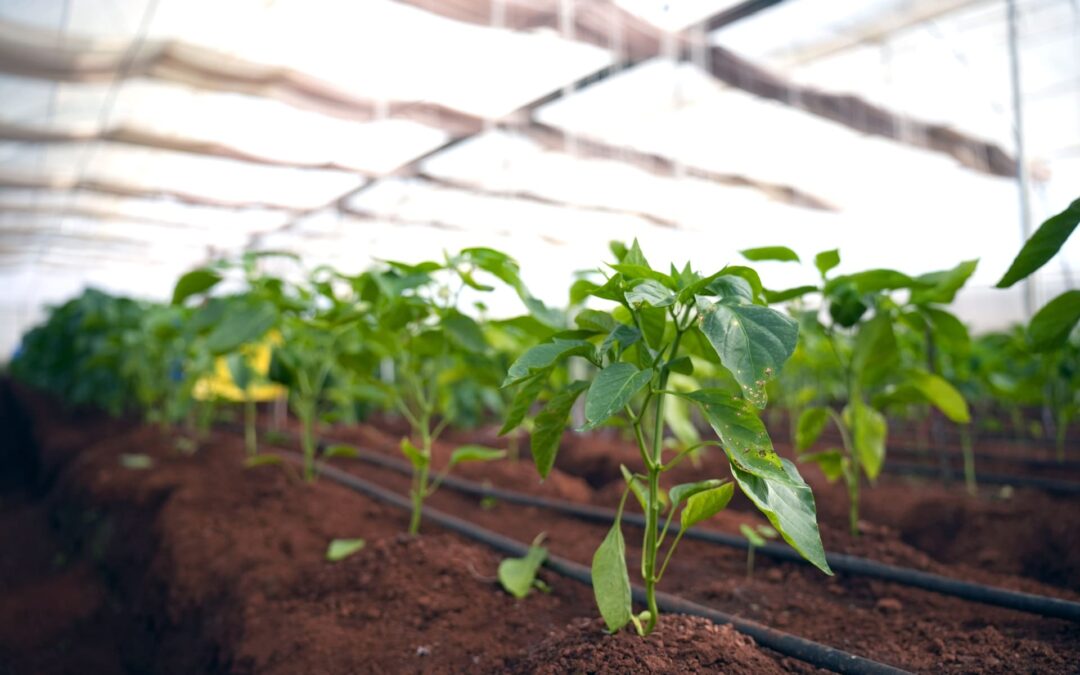
KSR Agro Tourism invites visitors to take part in the farming rather than watch it. The published activities are planting, harvesting and tending to animals. None of that is complicated. All of it is unfamiliar to most Indian city dwellers under forty, which is precisely why it works.
What to expect from the block
- You will be given something specific to do, not a route to follow.
- It will take longer than you think: doing a farm task badly is slower than doing it well, and you will be doing it badly.
- Children take to it faster than adults: mostly because they have fewer opinions about getting dirty.
- Nobody will rush you, which takes some visitors twenty minutes to adjust to.
What the morning is really for
Not the produce. You are not going home with a harvest. The value is forty minutes of understanding how much work sits behind something you normally buy shrink-wrapped, and that understanding is the thing that survives the drive home.
Midday: farm-to-table eating
The meal is not an interval between activities. On a working agro tourism farm it is the centre of the day, and it is placed in the hottest hours for a reason.
How the menu is decided
KSR’s farm-to-table offering is built on freshly harvested produce and locally grown ingredients prepared on site. That means the menu is shaped by what the season has actually given, not by what a kitchen has decided to stock.
Ask what is in season
Do this. The answer changes what you should order, and the person serving you generally knows which field the vegetables came out of, which is not a sentence you get to write about most meals.
Why this is not a restaurant
Do not arrive expecting presentation. The pleasure of farm food is proximity. Konkan cooking leans on coconut, rice, local greens and fish, and it is at its best when it is left simple.
Give the meal proper time. It sits naturally in the part of the afternoon when you want to be sitting down anyway, and hurrying it only means doing something outdoors in worse heat.
The afternoon: culture, animals and slowing down
The later part of the day turns towards the cultural side: demonstrations, folk performances, and interaction with people who live in the area.
Folk performance in the place it belongs
This is not a staged tourist product running to a fixed script. Konkan folk performance is local, regional and specific, and watching it where it belongs is a genuinely different experience from watching a version of it in a hotel lobby in Mumbai.
It is also the part rushed visitors skip, and the part people describe afterwards. Those two facts are related.
Tending the animals
This fits naturally into the afternoon, once the heat has eased. For children it is usually the strongest single memory of the whole day, comfortably ahead of the aquarium, which surprises parents every time.
Planning the low-effort block
If you are travelling with elderly parents or very young children, treat the afternoon as the sitting block. Shade, seating, food and watching, rather than walking. The farm accommodates that easily, and the day works better for everyone when one part of it is deliberately undemanding.
How the farm fits into a full day at KSR
The order that works
- Arrive early and take the bird park while the birds are still active.
- Move to the farm for the hands-on morning block.
- Eat on site, slowly, through the hottest hours.
- Take the indoor aquarium in the early afternoon, which is the right place to be when the sun is worst.
- Return for the cultural programme and the animals as the day cools.
- Finish at the fish feeding pond or the river cross walk if there is energy left.
How much time each part really needs
| Part of the day | Give it | What happens if you cut it short |
| Hands-on farming | 60 to 90 minutes | You watch instead of doing, which is the wrong visit |
| Farm-to-table meal | 60 minutes, unhurried | You eat in the heat and rush back outdoors |
| Cultural programme | 45 to 60 minutes | You miss the part visitors describe afterwards |
| Animals | 30 minutes and upward | The children object, loudly and correctly |
The most common planning error
Treating the agro tourism section as a twenty minute add-on to an aquarium visit. It is the opposite: it is the block the rest of the day should be arranged around, because it is the only part that cannot be moved to a cooler hour without losing something.
Details of the experience sit on the KSR Agro Tourism page, and it is worth confirming the day’s programme by phone before travelling, since activities are seasonal and some sections of the wider site are still listed as coming soon.
When to come, season by season
| Season | Months | What the farm is like |
| After the rains, into winter | October to February | The dependable stretch. Outdoor work stays comfortable all morning |
| Building heat | March to May | Fine if you are on site at opening, hard going after 11am |
| Full monsoon | June to September | Extraordinary greenery, limited hands-on outdoor activity |
Why October to February is the standard answer
Mild mornings mean the hands-on block can run long without anyone wilting, and the cultural programme in the late afternoon happens in pleasant air rather than residual heat.
Why the monsoon is still worth considering
The Konkan in full monsoon is one of the more spectacular landscapes in the country. If greenery and atmosphere matter more to you than digging, it is a genuine option, provided you call ahead and accept that the day will be shaped around what the weather permits.
Wrapping up
Agro tourism only works when you give it the time it was designed for. The morning is for work, the middle of the day is for eating what the place grows, and the late afternoon is for the cultural programme and the animals. Compress that into ninety minutes and it becomes a field with some chickens in it.
KSR is unusual in that the farm is not the only reason to make the drive. Fish across two floors, birds you walk among, a butterfly dome, a koi pond and a pair of river crossings sit within a few hundred metres of the fields, so a family split between a farm day and an attraction day does not have to settle the argument before setting off.
The farm is still the part that changes how people think about the trip afterwards. Everything else on the site is watched. This is the part you take part in.
Give it the morning, eat there, and stay for the afternoon programme. Book your farm day at KSR Global Aquarium ahead of time, especially on weekends and public holidays.
FAQs
What does eco agro tourism actually involve at KSR?
Hands-on farming including planting, harvesting and tending animals, farm-to-table meals made from produce grown on site, and cultural demonstrations with folk performances and interaction with residents of the surrounding area.
How long should I spend on the agro tourism section?
At least half a day if you want the hands-on activities and the meal. A rushed hour reduces the experience to a walk through a field, which misses nearly everything that makes it worth the drive.
Is it suitable for children?
Very. Children engage with farm tasks and animals faster than adults do, and the tending activities are usually the strongest memory of the trip for them, ahead of the aquarium building.
What should I wear and carry?
Clothes you do not mind dirtying, closed shoes rather than sandals, a hat and water. The morning block involves real soil and real animals, and footwear is where visitors most often get it wrong.
When is the best season to visit?
October to February gives the most comfortable weather for outdoor activity. The monsoon months are spectacular for greenery but harder for hands-on work, and pre-monsoon summer needs an early start to be enjoyable.
Do I need to book the farm activities in advance?
Call ahead. The programme is seasonal, some activities depend on what the fields are doing that week, and weekends and holidays are busier, so a phone call before travelling saves rearranging the day on arrival.